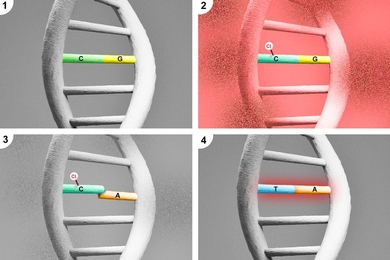
How chronic inflammation can lead to cancer
Researchers discover how the immune system can create cancerous DNA mutations when fighting off infection.
Researchers discover how the immune system can create cancerous DNA mutations when fighting off infection.
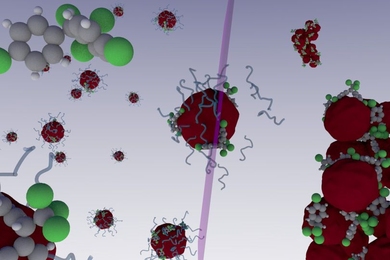
Nanomaterials and UV light can “trap” chemicals for easy removal from soil and water.

Sensors, memory switches, and circuits can be encoded in a common gut bacterium.

MIT spinout signs deal to commercialize microchips that release therapeutics inside the body.

Engineered particles are capable of producing toxins that are deadly to targeted bacteria.
Awards were given to outstanding faculty, and graduate, and undergraduate students.

Hydrogen peroxide produced by some bacteria causes DNA double-strand breaks, cell suicide.
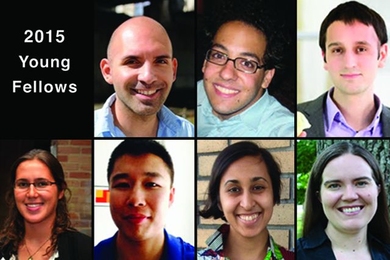
New cohort of fellows to carry on humanitarian tradition at MIT.
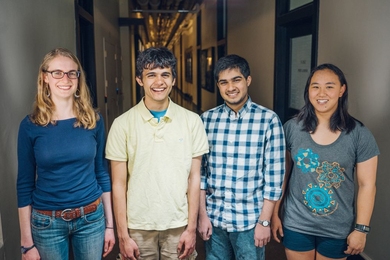

Microfluidic cell-squeezing device opens new possibilities for cell-based vaccines.

Edward Boyden develops techniques to study the brain, and how it operates, in finer detail.

Thirteen tenure appointments are made in seven of eight academic departments in the School of Engineering.
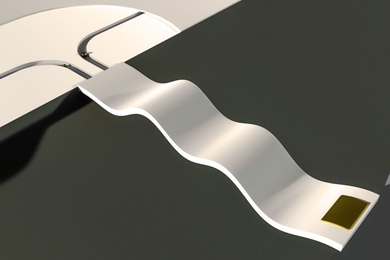
Device can measure the distribution of tiny particles as they flow through a microfluidic channel.
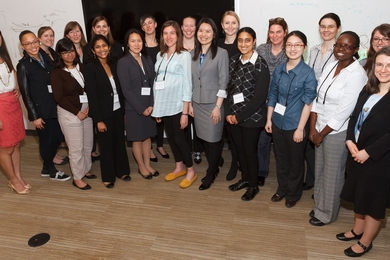
2015 Rising Stars in Nuclear Science and Engineering Symposium highlights outstanding new work and celebrates women in the field.