
Department
Brain and Cognitive Sciences
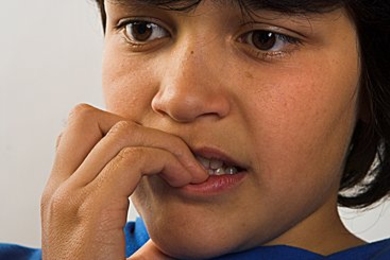
Breaking habits before they start
Turning off cells in a habit-associated brain region prevents rats from learning to run a maze on autopilot.
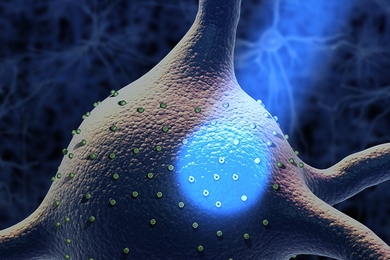
Compulsive no more
MIT study sheds light on what causes compulsive behavior, could improve OCD treatments.

Reducing caloric intake delays nerve cell loss
Study points to role of protein in anti-aging benefits of calorie restriction

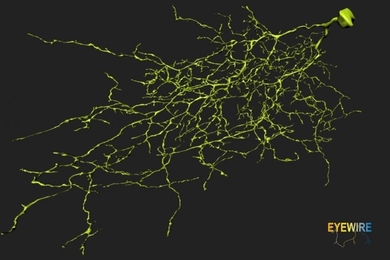
Complex brain function depends on flexibility
Neurons that can multitask greatly enhance the brain’s computational power, study finds.

D-Lab Scale-Ups awards funds to three MIT social entrepreneurs
Shawn Wen ‘13, Kevin Cedrone SM ’10 PhD ‘13 and Sumana Shrestha MBA ‘13 to join the Phase I Fellowship Program

An unforgettable life
MIT neuroscientist Suzanne Corkin shares her memories of the world’s most famous amnesia patient.

Decoding ‘noisy’ language in daily life
Study shows how people rationally interpret linguistic input.

3Q: Robert Desimone on the federal BRAIN Initiative
Director of McGovern Institute discusses how new initiative to understand the human brain will affect neuroscience at MIT and beyond.

Exploring a breakdown in communication
Study reveals linguistic deficits behind autistic children’s difficulties understanding other people.
Four MIT researchers attend White House announcement of brain initiative
Obama invites Boyden, Brown, Desimone and Seung to launch of new federal initiative.
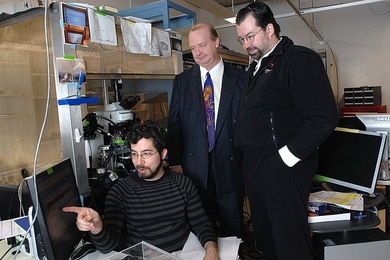
Students have engineering on the brain
MIT class offers student teams a chance to create business ventures based on neurotechnology research.
Four professors named 2013 MacVicar Fellows
Griffith, Miller, Schulz and Teng awarded the Institute’s highest undergraduate teaching honor.
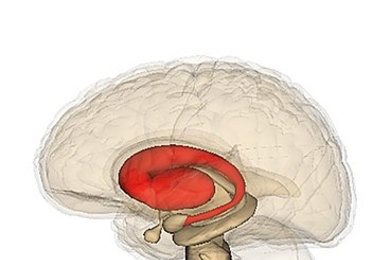
Breaking down the Parkinson’s pathway
New study is first to analyze how affected brain cells respond during different behavioral tasks.
Boyden to share prestigious brain prize
Ed Boyden honored for his work on optogenetics; will share 1 million Euro prize with five other researchers.