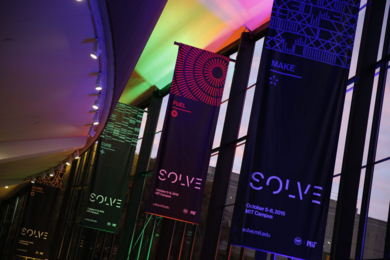

Moderating extremes in building design
Leon Glicksman develops energy efficiency technologies and strategies for old and new buildings all over the world.

Significant foundation grant extends two-way partnership with Italy through 2020
Agreement will support a number of joint research projects, seminars, lectures, and other programming.
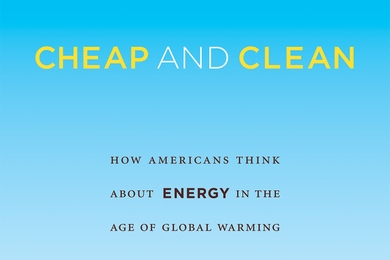
Study: Climate strategy focused on local impacts is most effective with Americans
In a recent talk at MIT, David Konisky PhD '06 explains that the term "global warming" leaves many Americans cold.
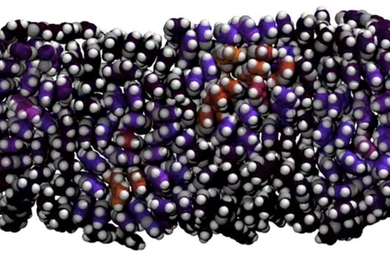
Solar excitement
Modeling electron excitation in organic photovoltaic material could change the future of solar energy.

Compound potential
Kristala Jones Prather engineers microbes to produce compounds that can be used in industrial processes efficiently and economically.

Biomimetic non-reflective coating for solar cells wins MADMEC
Team wins $10,000 at annual competition for invention inspired by butterfly wings.

Setting the course for energy technology research
At MIT, Department of Energy’s Lynn Orr lays out priorities for developing advanced energy systems.

MIT Climate CoLab announces 32 winning climate strategies
Winning ideas for solutions to climate change were crowdsourced by more than 50,000 members of the public.
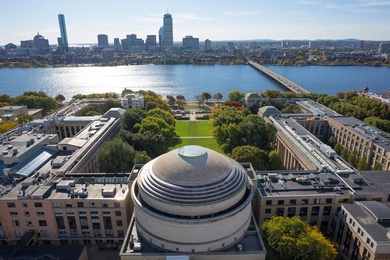
A week of celebration and inspiration — Boston-style
At Solve, MIT will host gathering of leaders to spur action on world problems.

From a minor in energy studies to a new career in energy innovation
Diego Giraldez '15 sets his sights on being an innovative energy leader thanks to courses taken in the energy studies minor at MIT.

A day in the sun
MIT Solar Day brings the MIT community together to preview the coming decades of solar energy innovation.
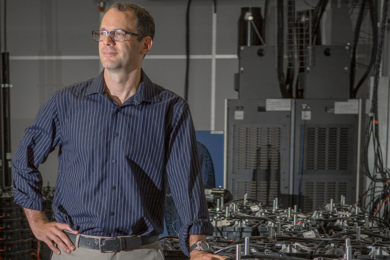
Jay Whitacre wins $500,000 Lemelson-MIT Prize for invention of a revolutionary battery
First mass-produced, low-cost, eco-friendly battery has the potential to transition the world toward a more sustainable energy future.

Inside climate politics
Study: Pattern of winners and losers explains U.S. policy on fuel subsidies.

Fertilize the ocean, cool the planet?
MIT researchers find unintended consequences of an idea to stimulate ocean phytoplankton growth in order to geoengineer a cooler atmosphere.