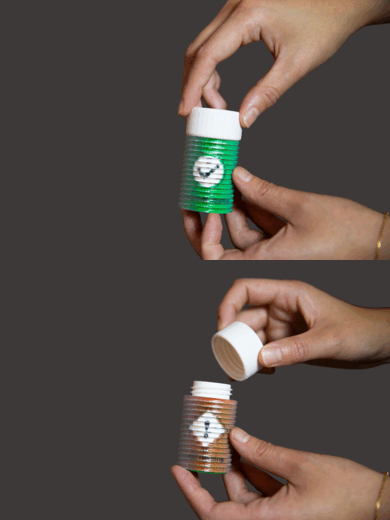
These 3D-printed objects can tell you if they’re being used properly
The “ShiftLens” design and fabrication system creates objects that change their surface appearance based on user interactions, without any electronics.
The “ShiftLens” design and fabrication system creates objects that change their surface appearance based on user interactions, without any electronics.
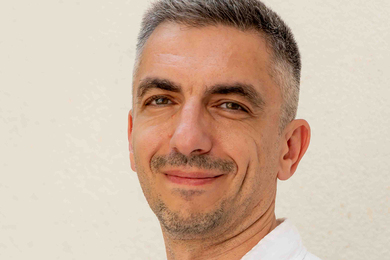
An expert in machine learning, statistics, and computation, Rakhlin succeeds Professor Ankur Moitra.
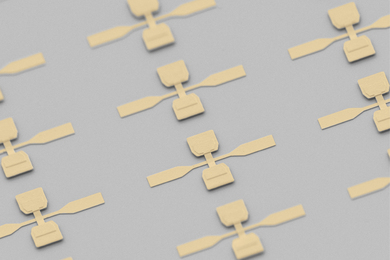
A new fabrication platform integrates molecules into electronic devices, opening the door to emerging computing technologies.

Philosopher Brian Hedden studies decision-making over time — and recently chose to return to alma mater MIT, where he is now connecting ethics and computing.

Director of CSAIL and MIT professor honored for her contributions to robotics, artificial intelligence, and autonomous systems.
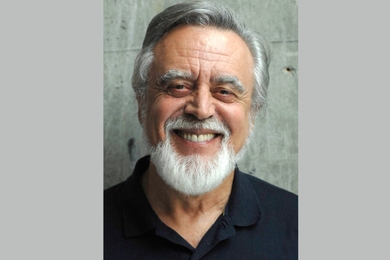
Known for his clear and elegant writing style, Bertsekas shaped fields from control and optimization to large-scale computation and artificial intelligence.

The MIT community celebrated the talent, dedication, and impact of its staff.

A recent reunion activity, taught by EECS Senior Lecturer Gim Hom, doubled as both his “last class” and a chance to reconnect with classmates.

New professors join the Comparative Media Studies/Writing, Economics, Linguistics, and Music and Theater Arts departments.

Assistant Professor Bailey Flanigan has arrived at complex computational methods for helping democracy thrive.

Researchers developed an automated framework that helps AI models generate CAD programs more accurately and efficiently.

Through research and entrepreneurship, Professor Devavrat Shah is helping to design methods that can handle constant decision-making using limited computational resources.

“SceneSmith” system uses collaborative AI agents to create realistic 3D environments of places like kitchens, hotels, and living rooms, where robots can simulate everyday chores.

Researchers developed an auditing technique to test generative AI models for malicious capabilities, without prompting them for illegal outputs.

MIT researchers developed FloatForm, a swarm of small aquatic robots that snap together like ants forming a raft, assembling into reconfigurable structures on the water.