3 Questions: The risks of using 3D printing to make personal protective equipment
Professor Martin Culpepper provides caution on the use of 3D printing to make masks and other PPE for individuals on the front lines of the Covid-19 crisis.
Professor Martin Culpepper provides caution on the use of 3D printing to make masks and other PPE for individuals on the front lines of the Covid-19 crisis.

Clinical and design considerations will be published online; goal is to support rapid scale-up of device production to alleviate hospital shortages.

A variety of companies with MIT ties are working to address aspects of the Covid-19 pandemic.

MIT Professor Yossi Sheffi describes the supply chain landscape in the U.S., from food security to concerns about medical supplies.

Repurposing a drug used for blood clots may help Covid-19 patients in danger of respiratory failure, researchers suggest.
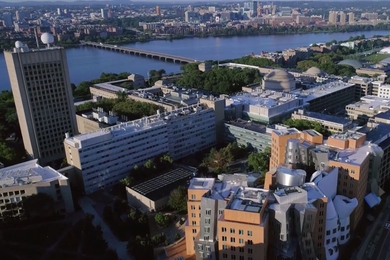
With thousands now working and learning off-campus, the Institute aims to consolidate its footprint and conserve resources.

Lincoln Laboratory researchers explore the impact of technology that detects a person's exposure to disease-causing pathogens before symptoms manifest.
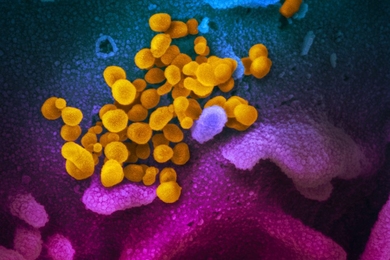
A variety of MIT research projects could aid efforts to detect and prevent the spread of coronavirus.
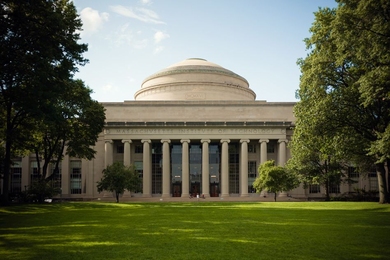
Changes follow new Institute policies on travel, events, and visitors; some large classes to move online.

Campus-wide effort to ensure academic, research, and business continuity, as well as continued medical, residential life, and communications response to COVID-19.

Improving the rate of handwashing at just 10 major airports could significantly slow the spread of a viral disease, researchers estimate.