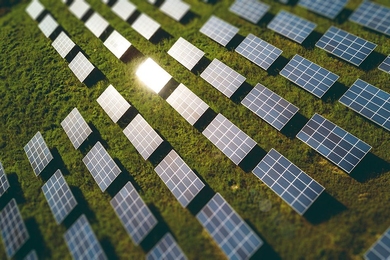
How to assess new solar technologies
MIT analysis shows when and where advanced photovoltaics would be economic to install.
MIT analysis shows when and where advanced photovoltaics would be economic to install.
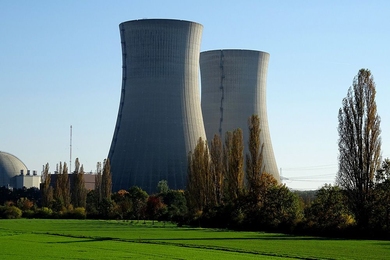
Model finds operating nuclear plants flexibly can reduce electricity costs, increase revenue for nuclear plants, and cut carbon emissions in electric power systems.

Neuroscientists train a deep neural network to analyze speech and music.
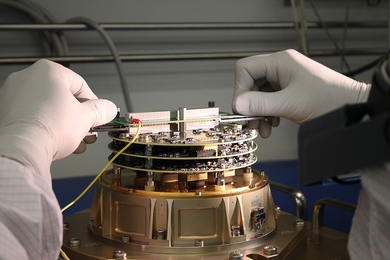
Satellite developed by MIT aims to discover thousands of nearby exoplanets, including at least 50 Earth-sized ones.

Black holes in these environments could combine repeatedly to form objects bigger than anything a single star could produce.

Members of MIT's Science Policy Initiative meet with members of Congress on Science-Engineering-Technology Congressional Visits Day 2018.
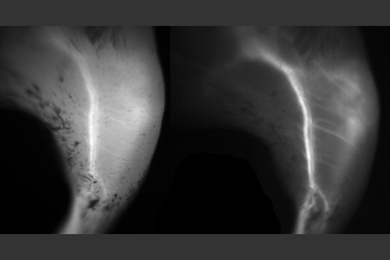
Technique could allow doctors and researchers to generate clearer images of blood vessels and other tissues.

Scientists conclude methane-producing microbes date back 3.5 billion years, supporting the hypothesis that they could have contributed to early global warming.

Director of MIT Washington Office calls bill “very good news for science funding.”
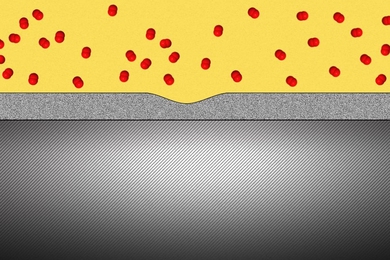
Researchers find an ultrathin layer of aluminum oxide, though solid, can flow like a liquid instead of cracking.

Researchers identify the molecular structure of the GATOR1 protein complex, which regulates growth signals in human cells, using cryo-electron microscopy.
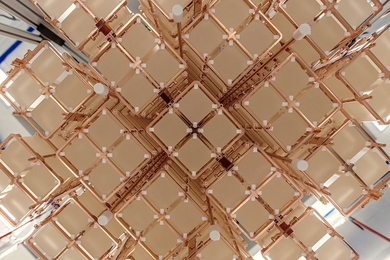
Data could shed light on why the universe has more matter than antimatter.
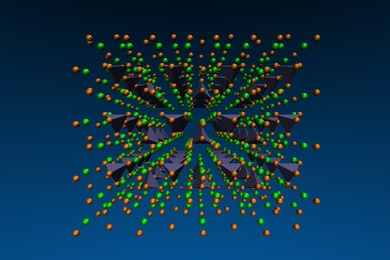
Design principles could point to better electrolytes for next-generation lithium batteries.
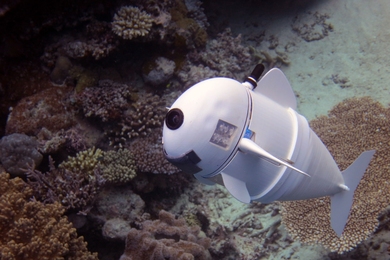
Made of silicone rubber, CSAIL’s “SoFi” could enable a closer study of aquatic life.
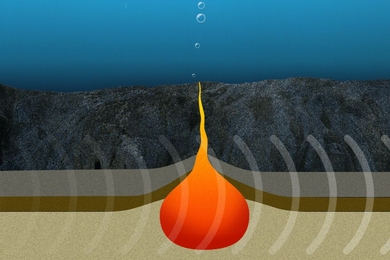
Findings may lead scientists to reinterpret seismic maps of the Earth's interior.